CDI SNAP
Stop Now And Plan
SNAP®, which stands for Stop Now And Plan, is an evidence-based cognitive behavioural model that provides a framework for teaching children struggling with behaviour issues, and their parents, effective emotional regulation, self-control and problem-solving skills.
The primary goal of SNAP is to help children to stop and think before they act, and keep them in school and out of trouble.
SNAP was developed by Child Development Institute, an accredited children’s mental health organization in Toronto, in 1985 as an intervention program for boys under 12 in conflict with the law. Since then, the program has grown and evolved into an internationally recognized model for teaching troubled children and their parents how to effectively manage their emotions and “keep problems small.” Today, SNAP offers gender specific programs for children ages 6-11 and youth ages 13-17.
THE PROJECT
Learning Modules via Raspberry Pi + SD Card & Cloud Environment
MY ROLE
UI/UX Design
THE CHALLENGE
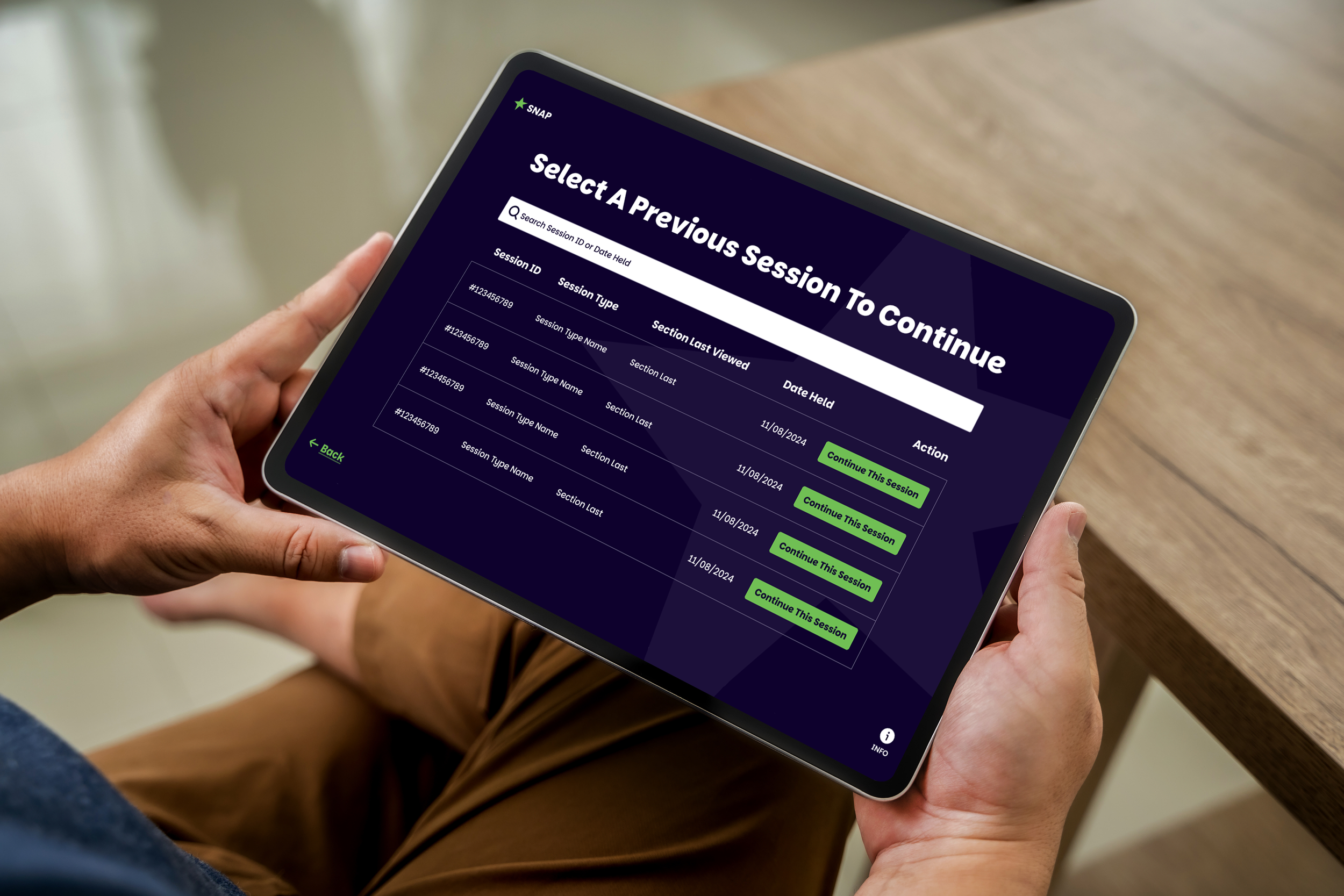
The SNAP YJ platform presented the challenge of transforming a highly technical and fragmented system into an intuitive, accessible, and engaging user experience for both facilitators and youth participants. The existing Raspberry Pi and SD card workflow required simplification to reduce setup complexity, cognitive load, and operational friction in high-pressure community and justice settings. The platform also needed to support diverse user groups through culturally responsive, trauma-informed, and accessibility-conscious design while maintaining secure handling of sensitive participant data. Additional UX challenges included designing seamless offline and cloud-connected experiences, improving navigation and interaction flows, supporting simultaneous session delivery, and ensuring the interface remained approachable for users with varying levels of technical literacy.
THE GOAL
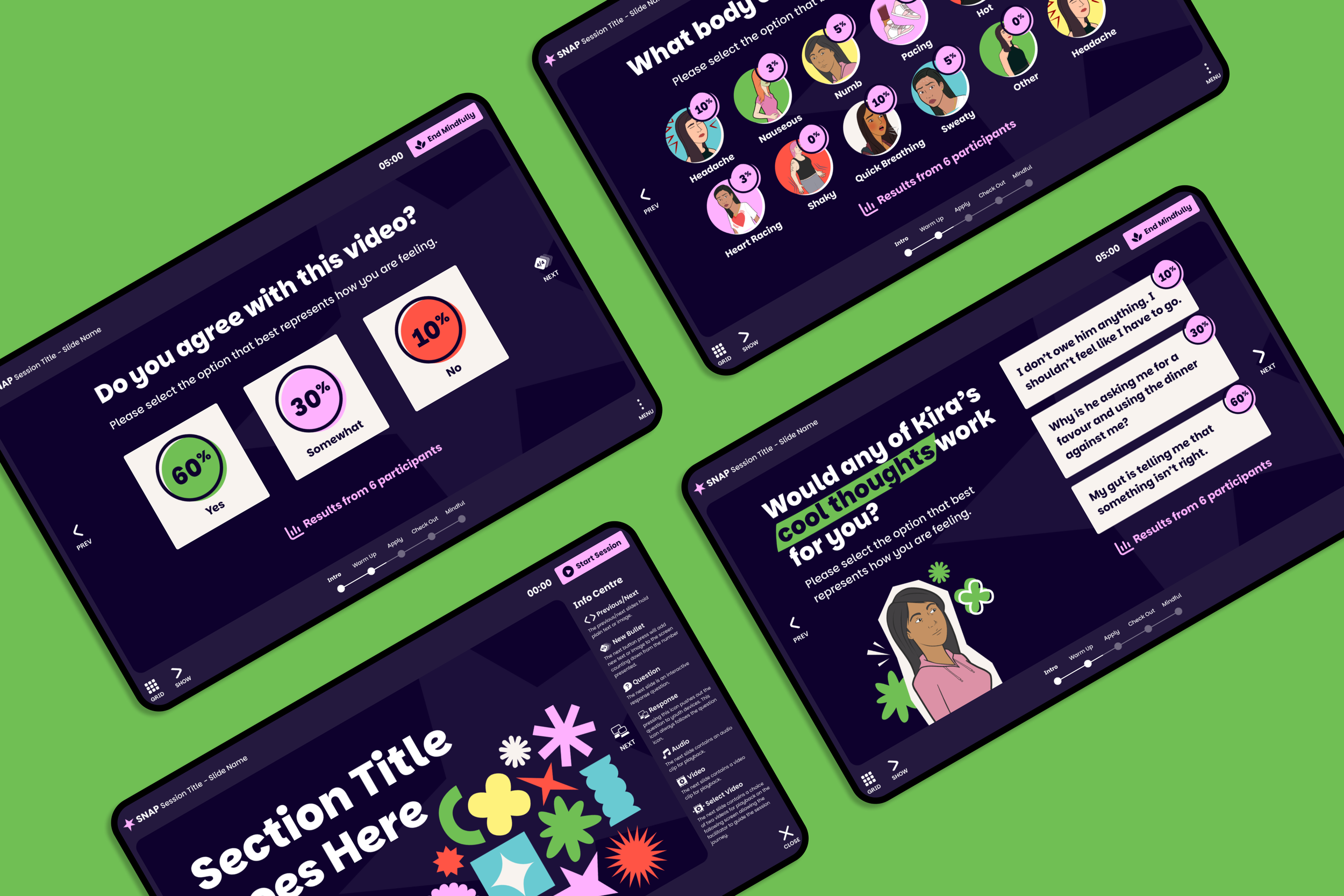
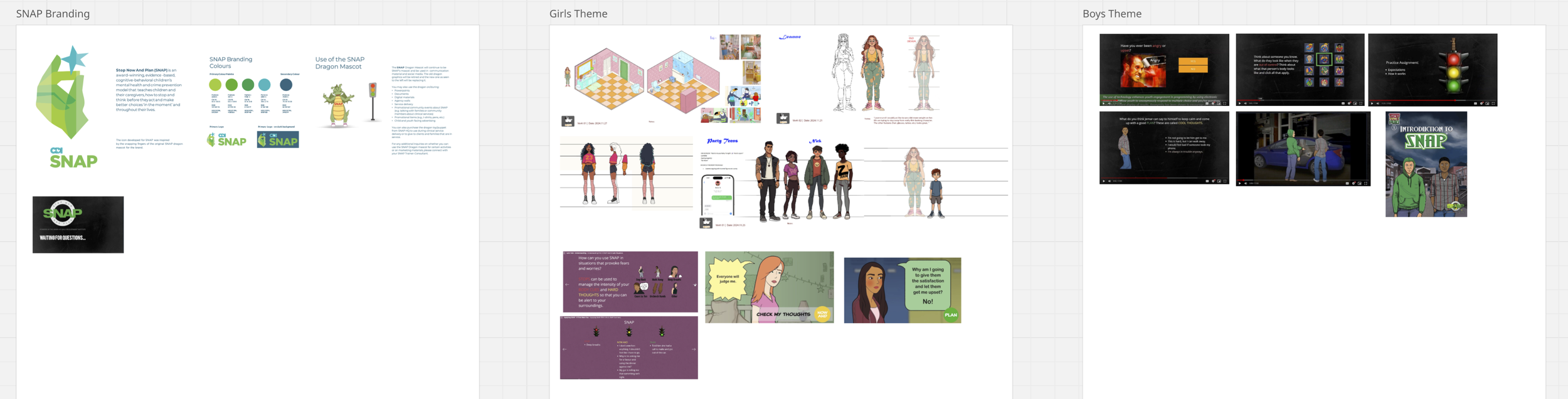
The goal of the UX/UI design work was to create a streamlined, platform-agnostic digital experience that made program delivery more intuitive, engaging, and accessible for facilitators and youth alike. This included designing a modern interface system that simplified navigation, improved session flow, and enhanced multimedia interaction while supporting secure survey collection and data management. A major focus was placed on developing inclusive and culturally responsive module experiences tailored to female-identifying youth, Black youth, and 2SLGBTQAI youth. The project also aimed to create scalable design systems and user-centered workflows that supported long-term adaptability, reduced technical barriers, and improved overall engagement across both individual and group program settings.
THE PROCESS
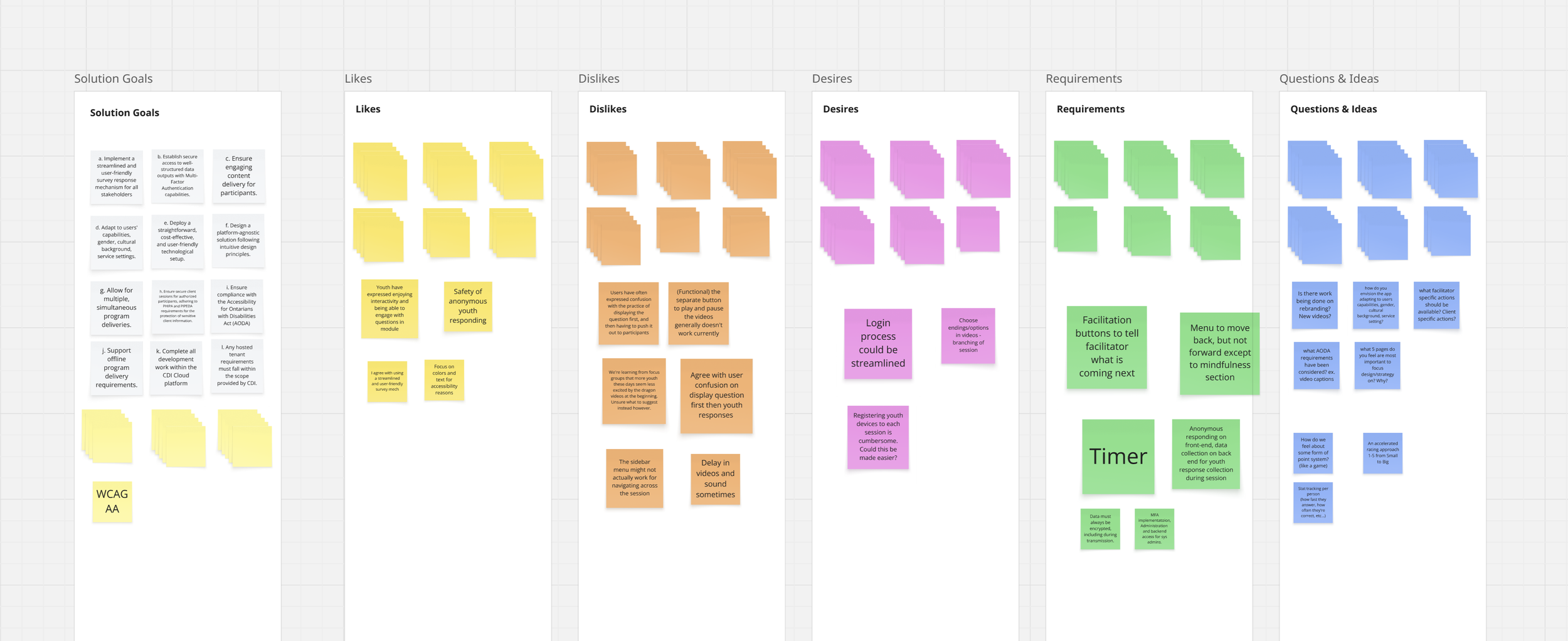
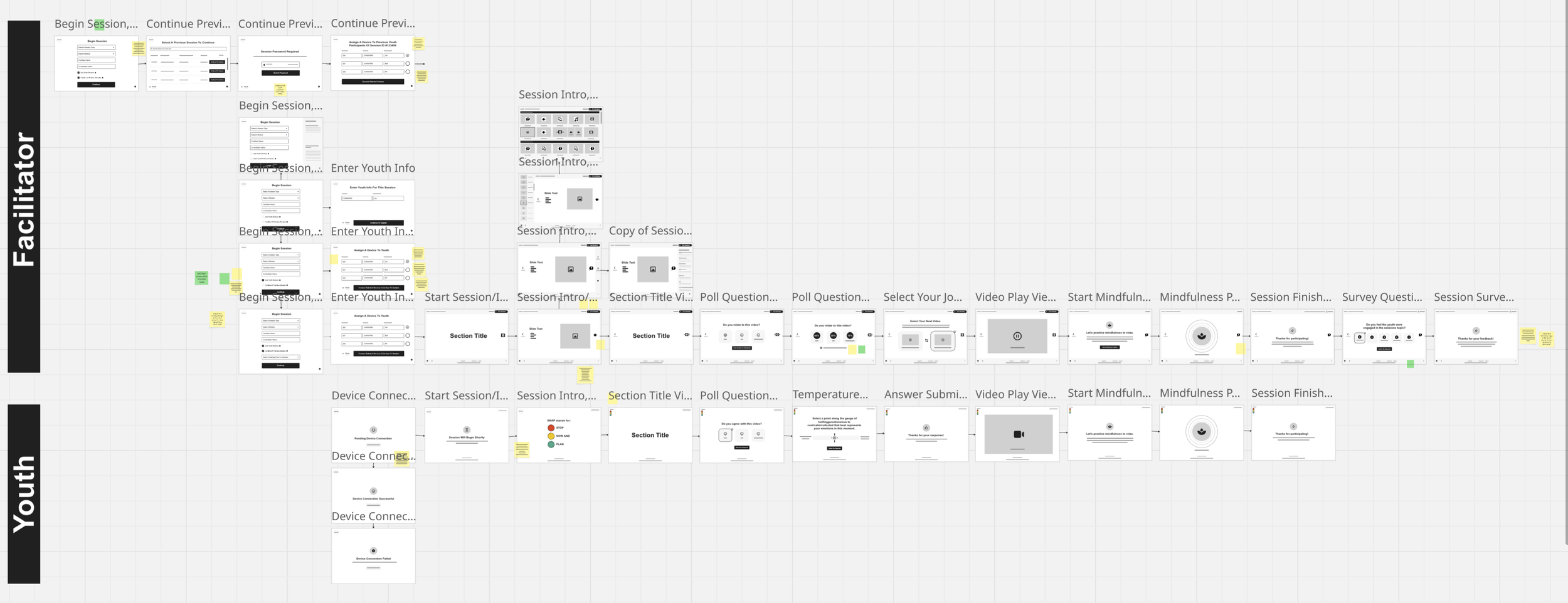
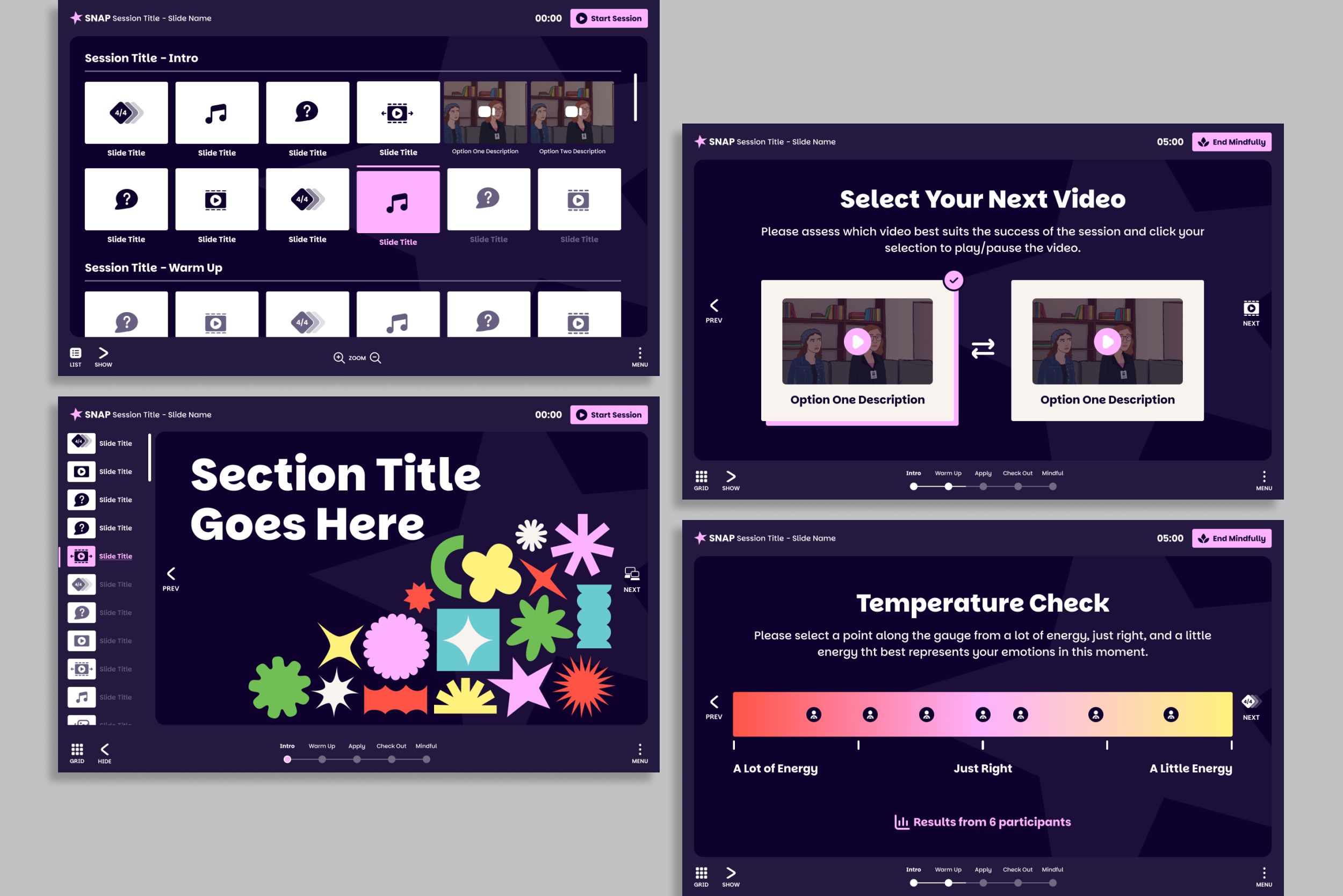
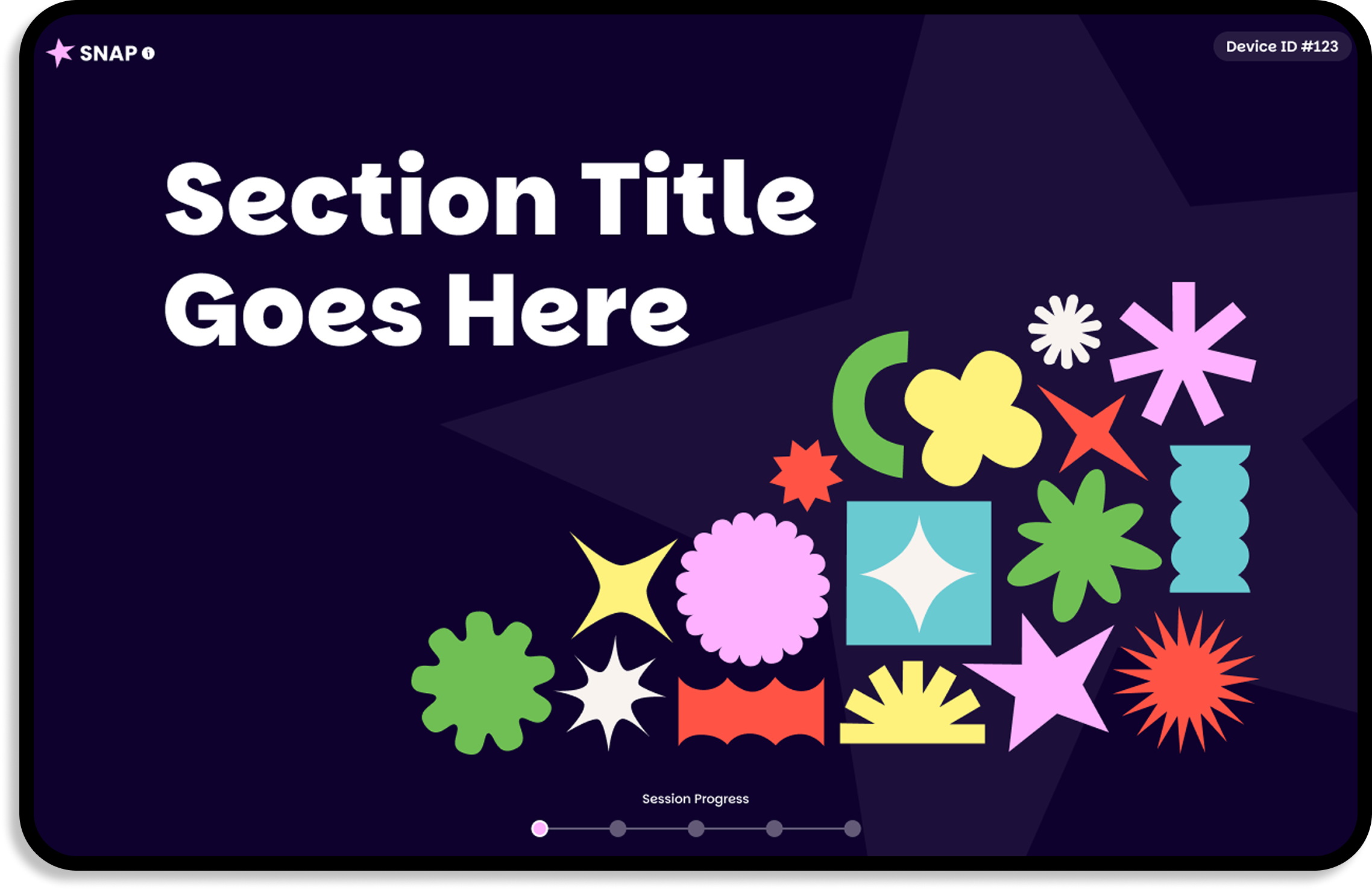
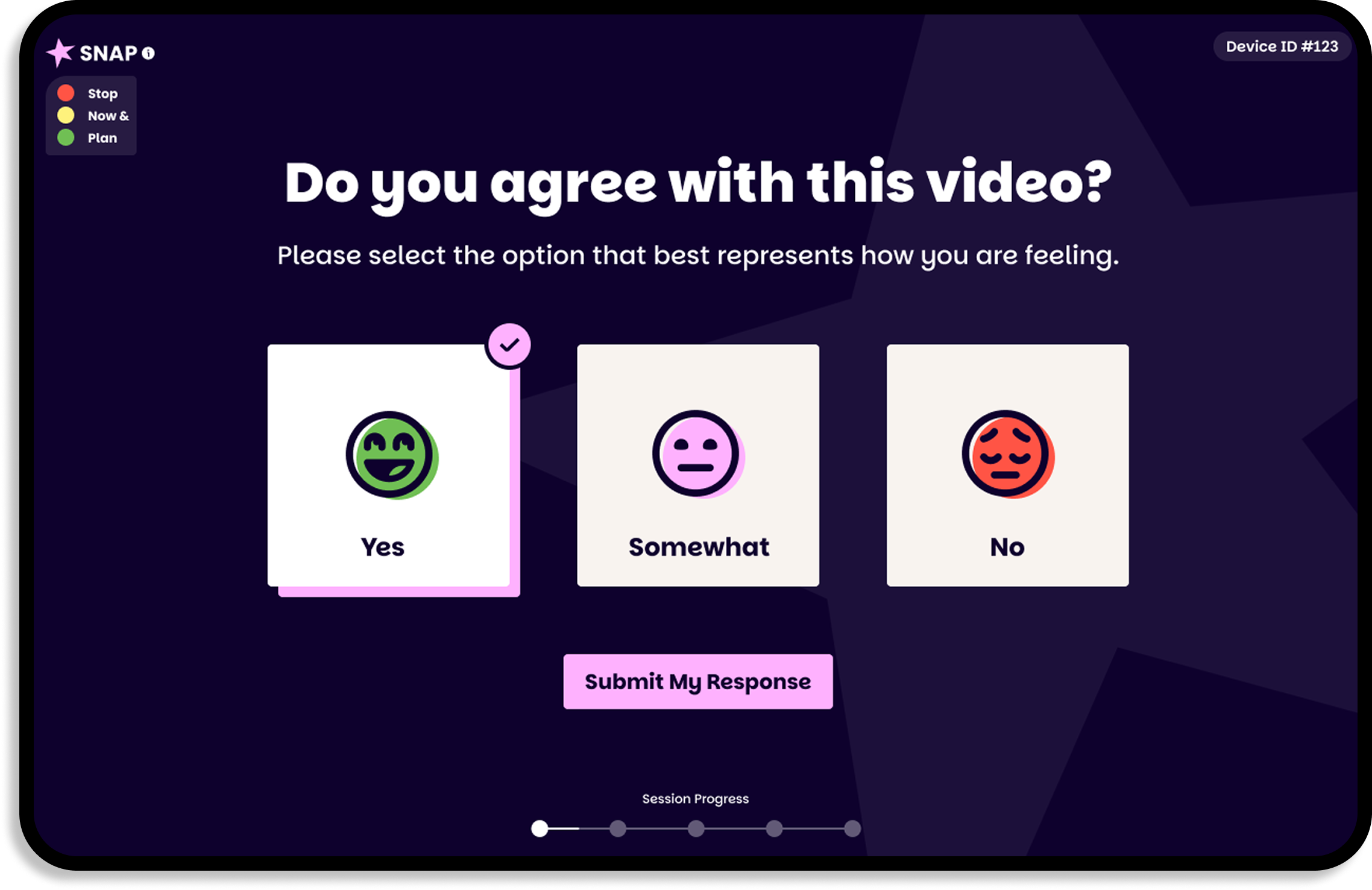
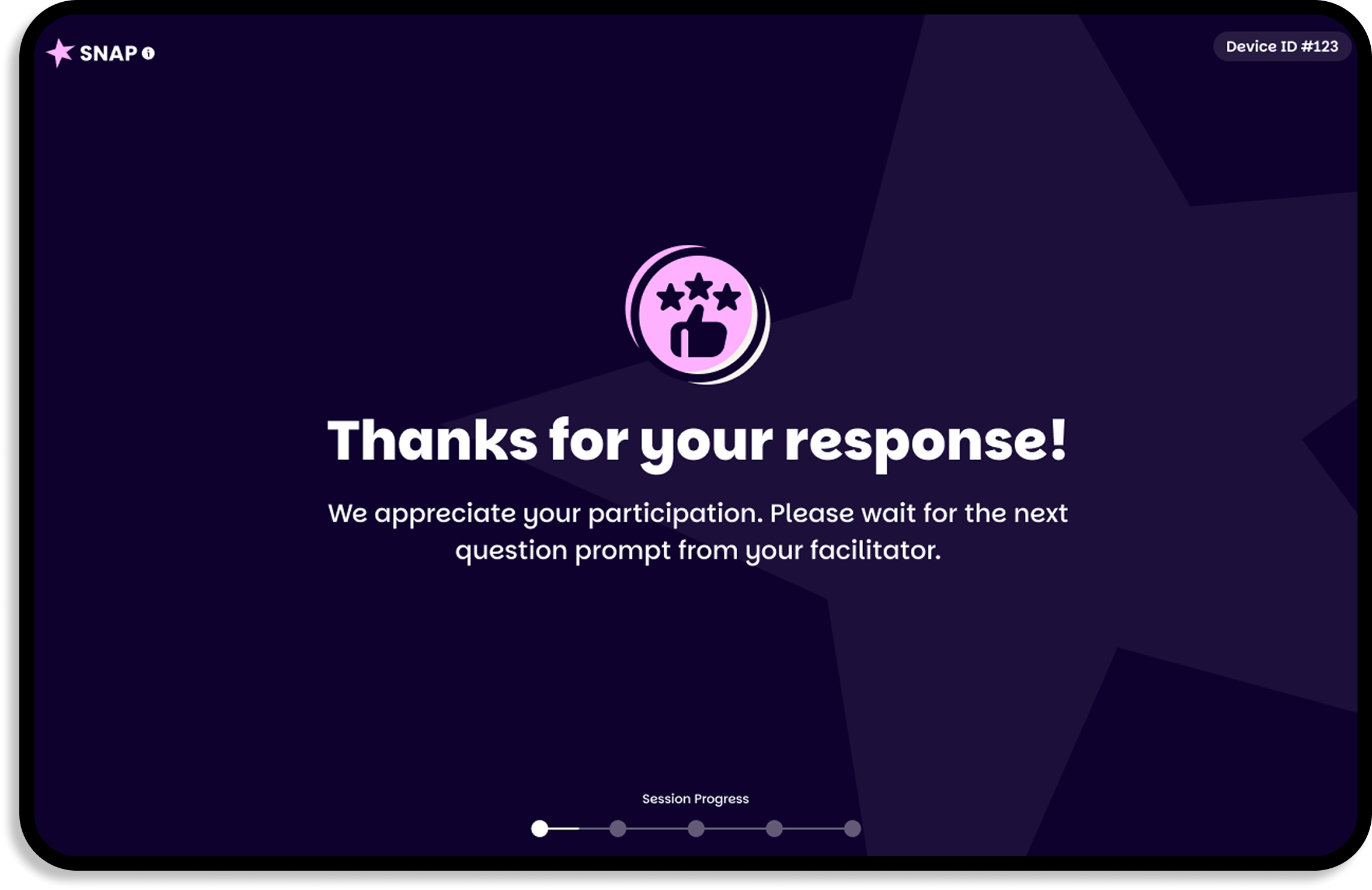
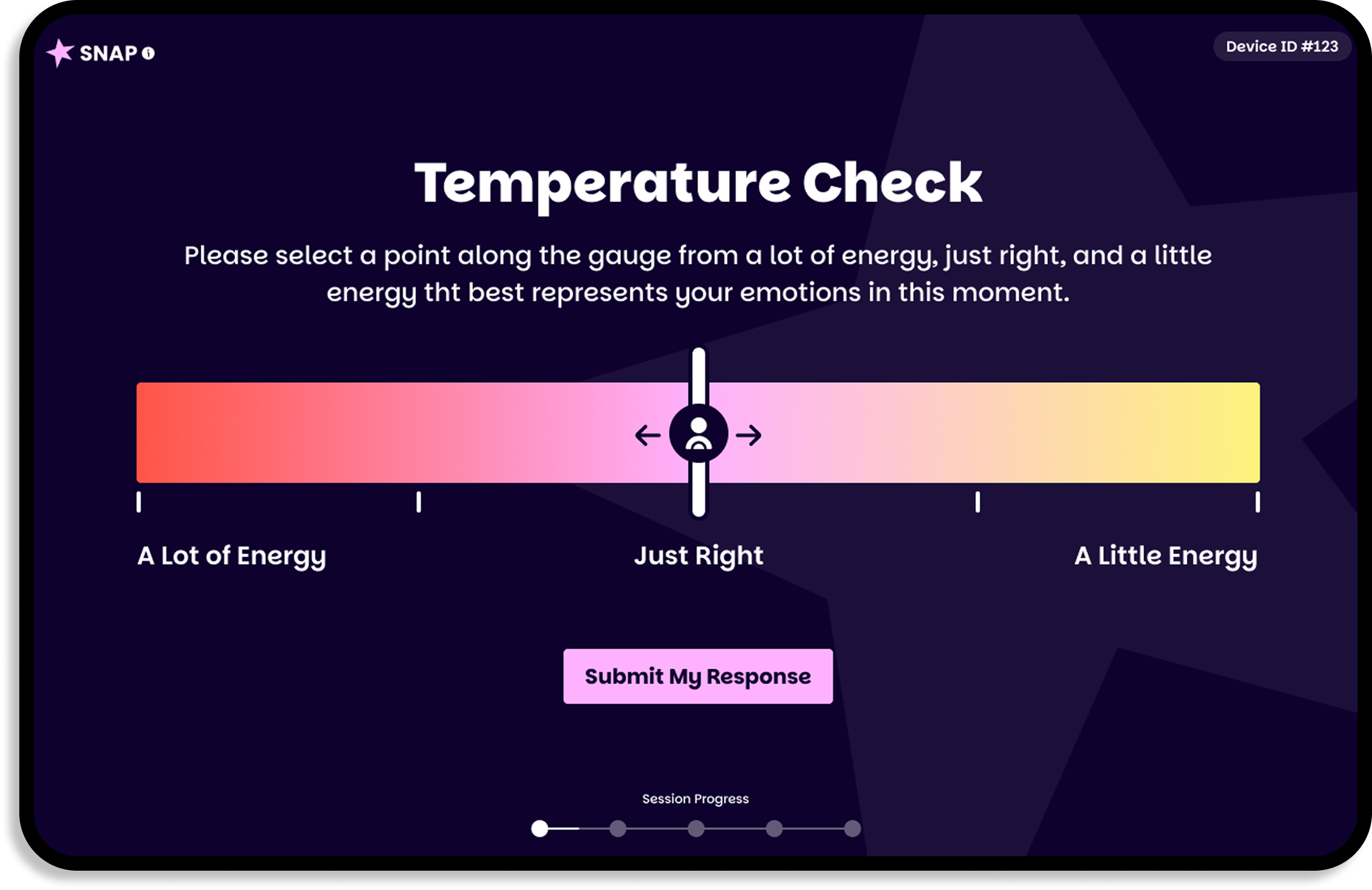
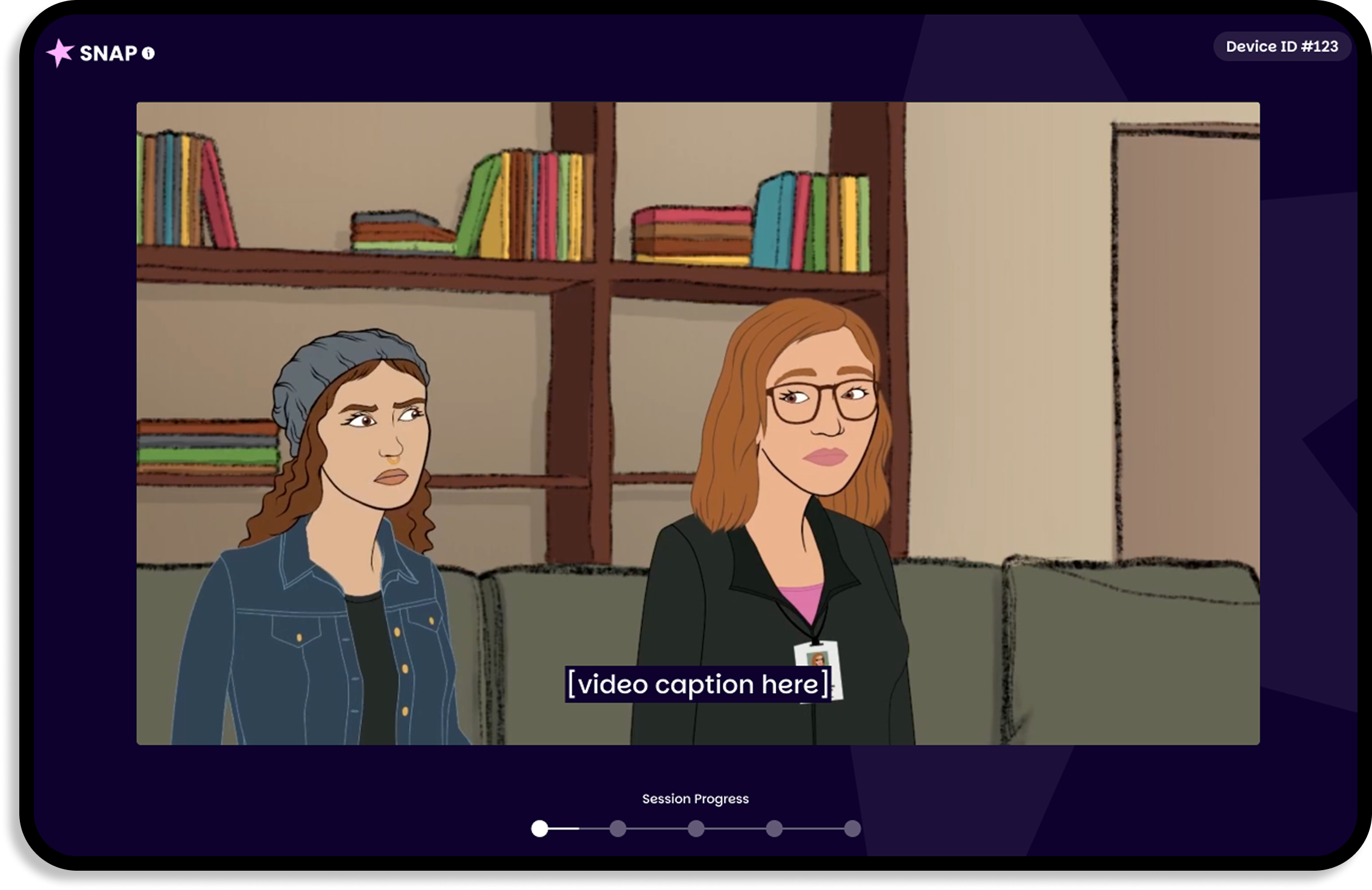
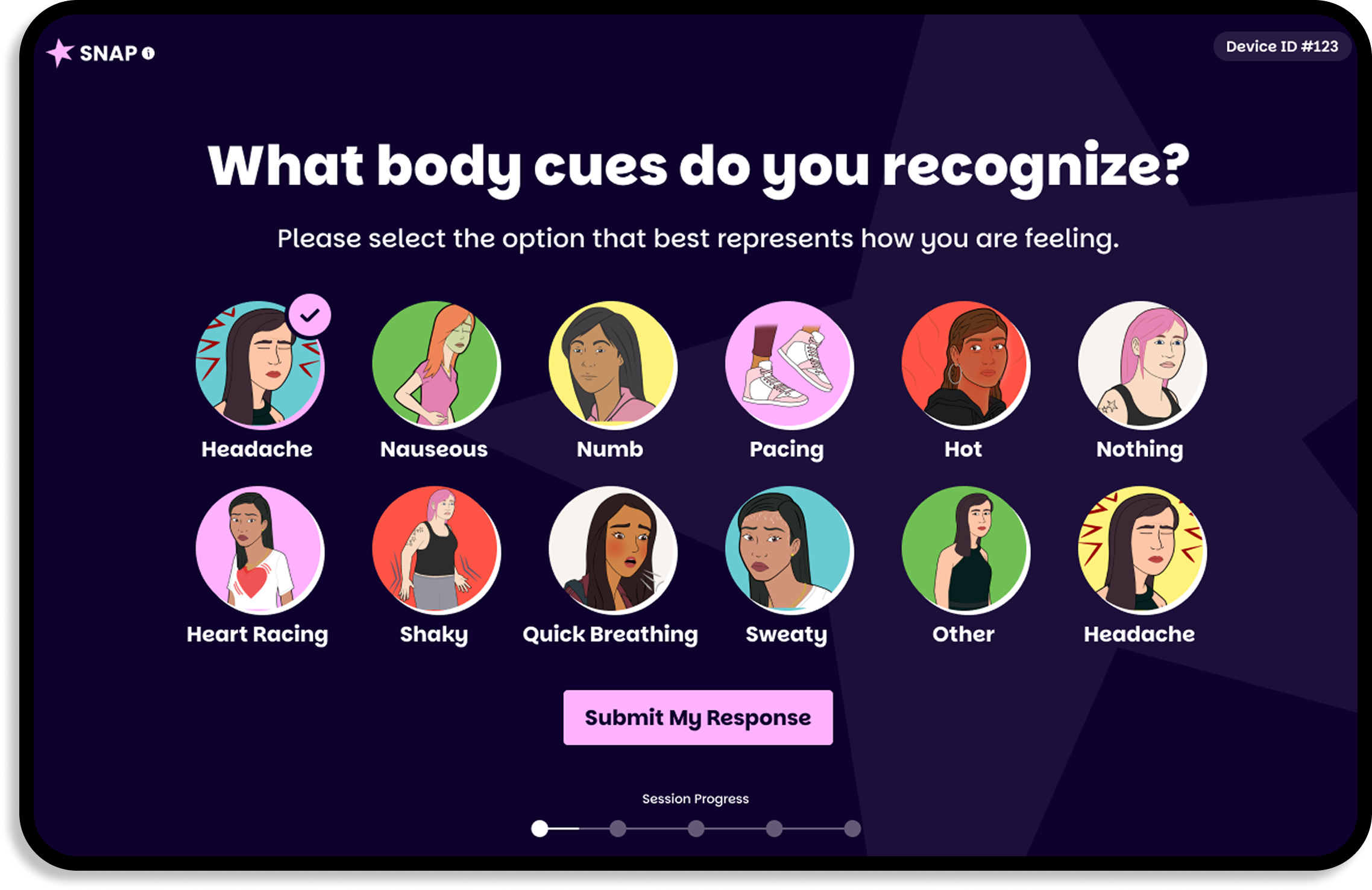
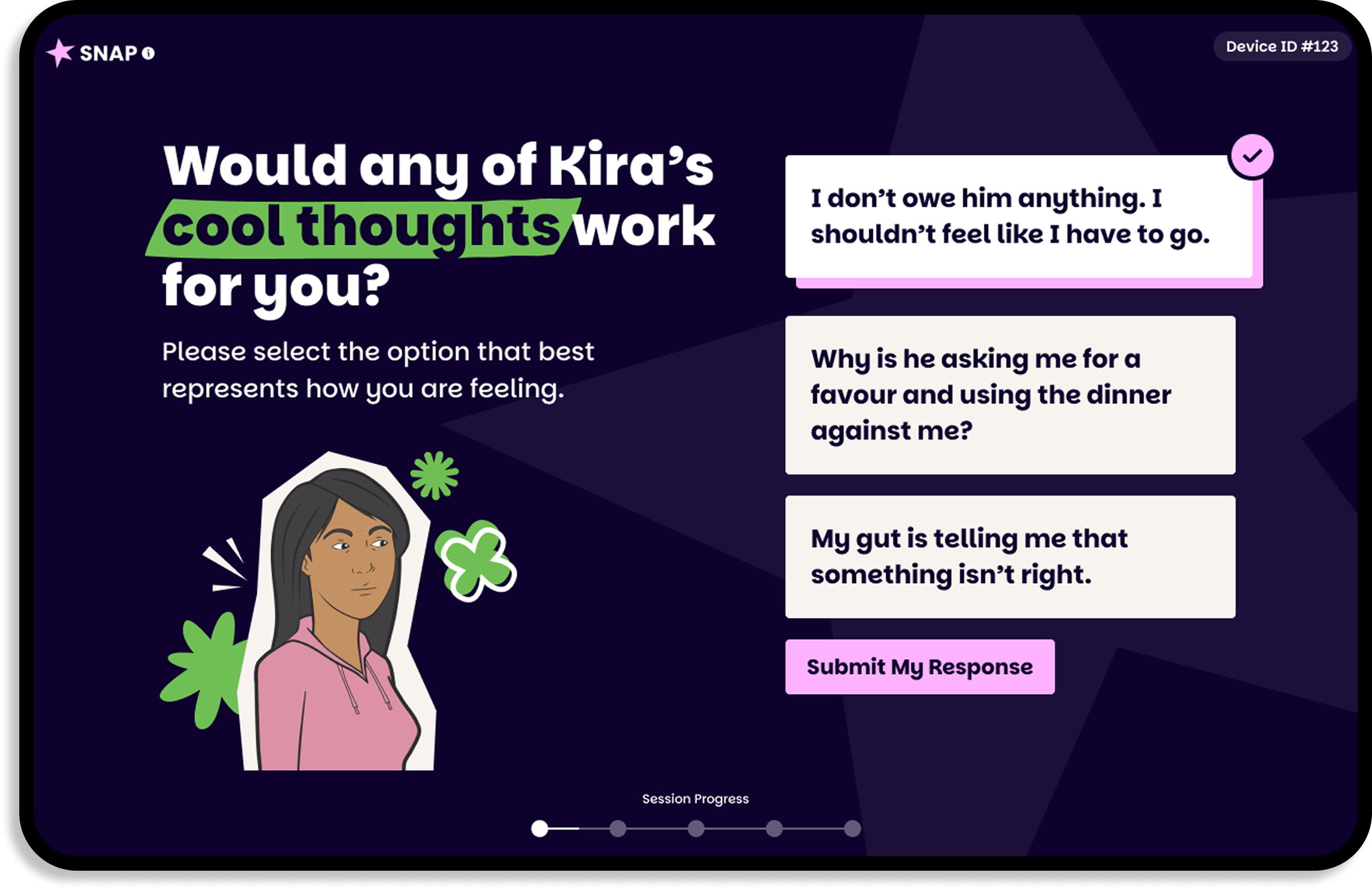
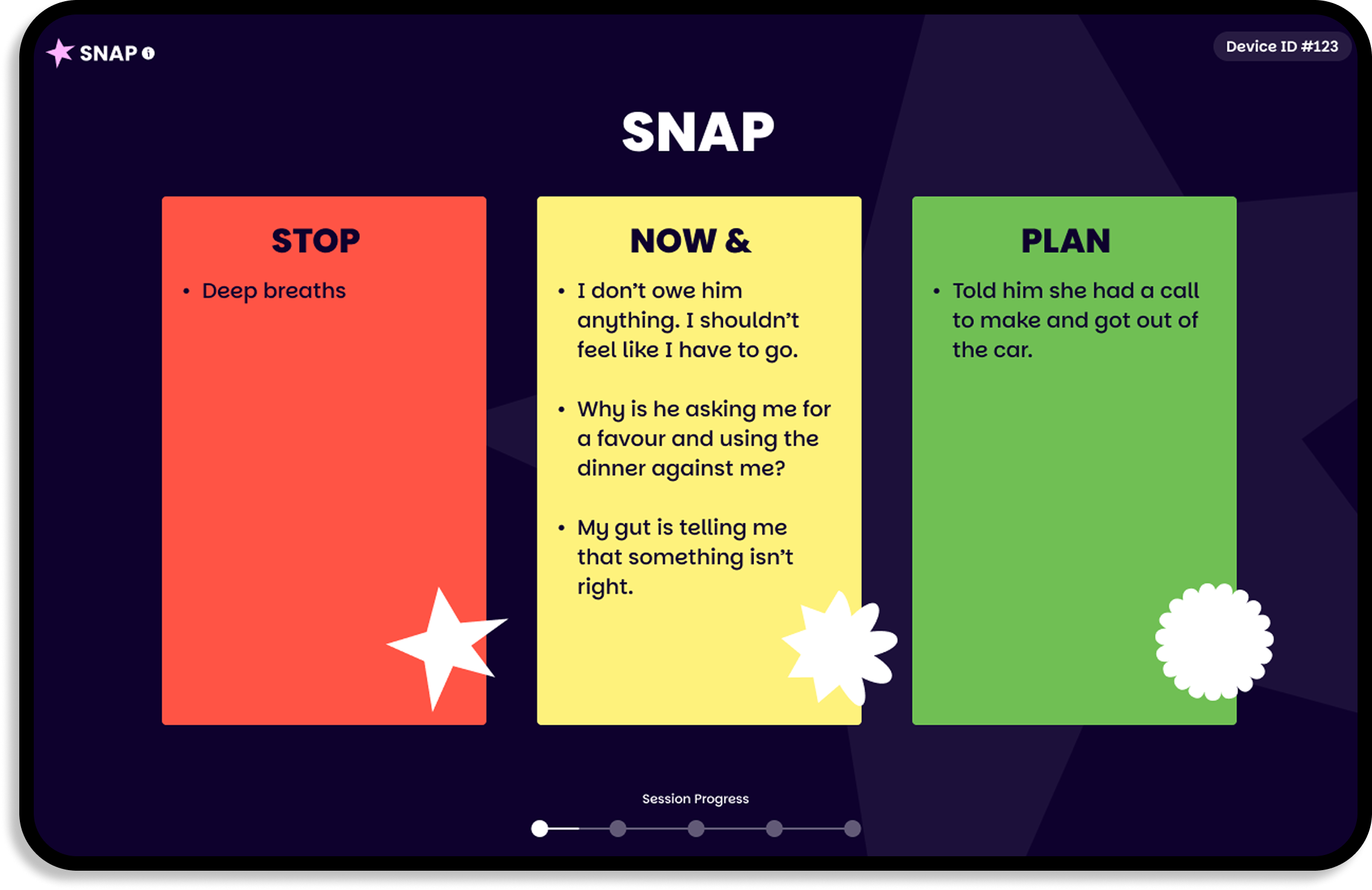
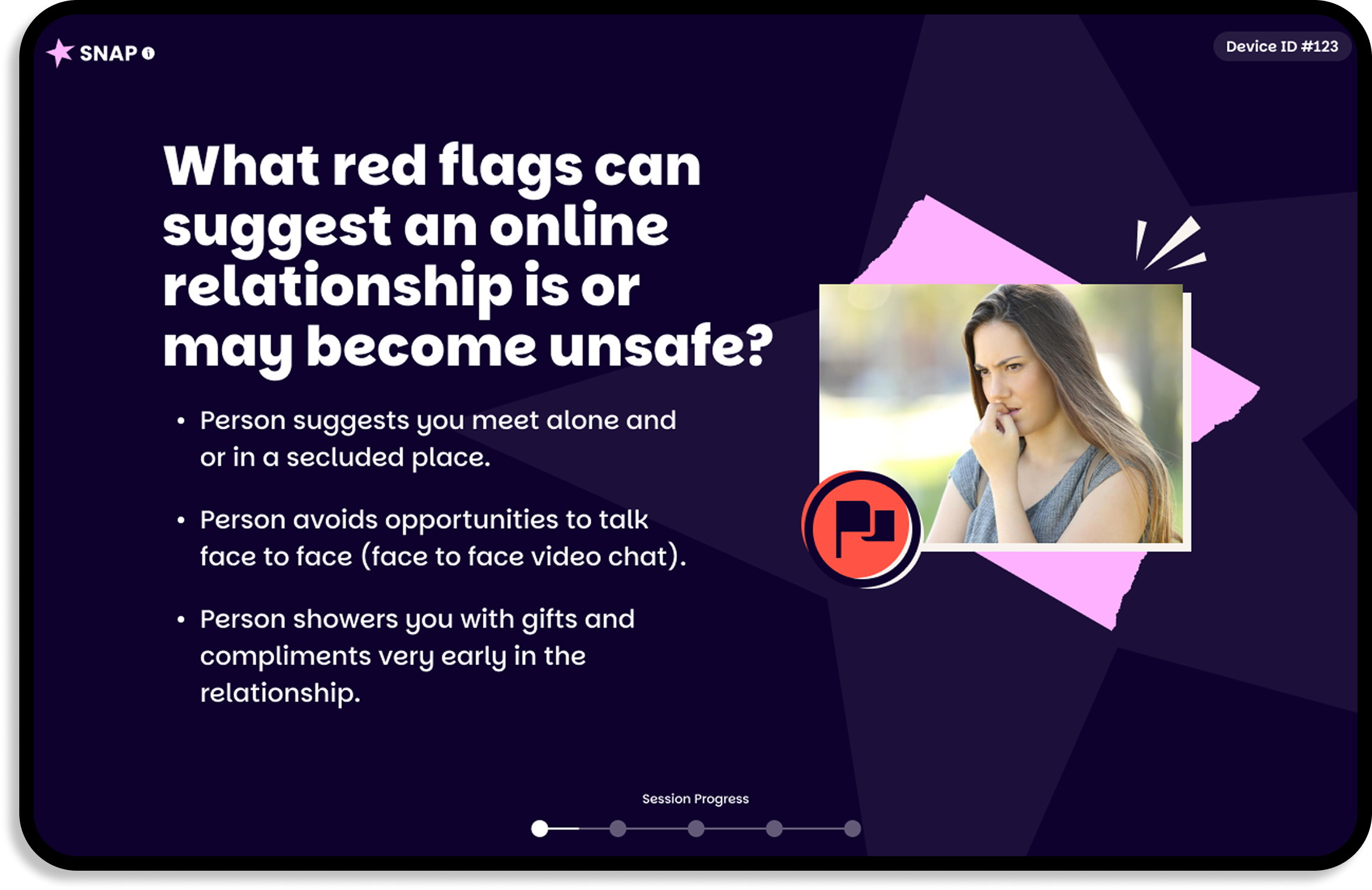
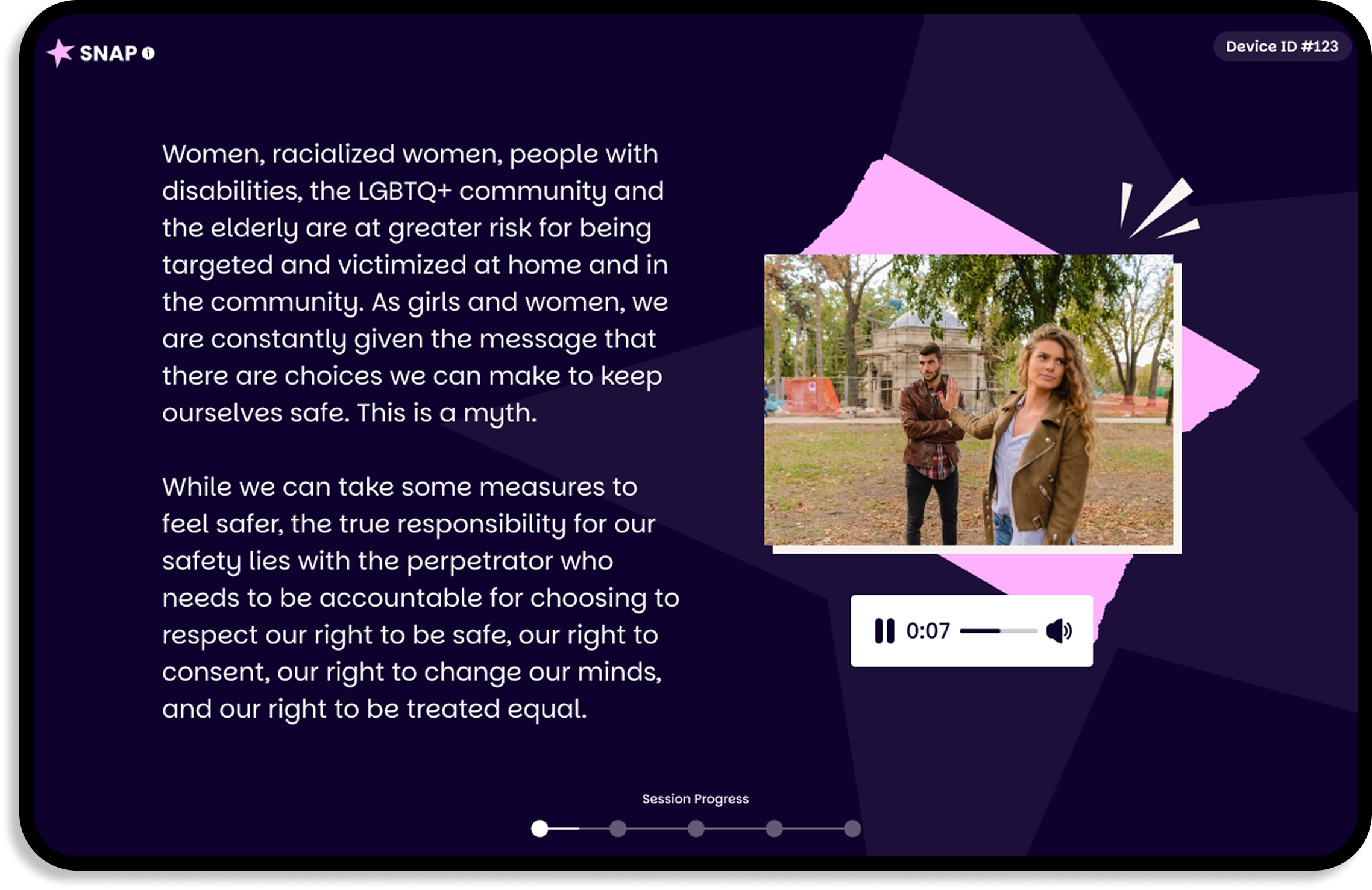
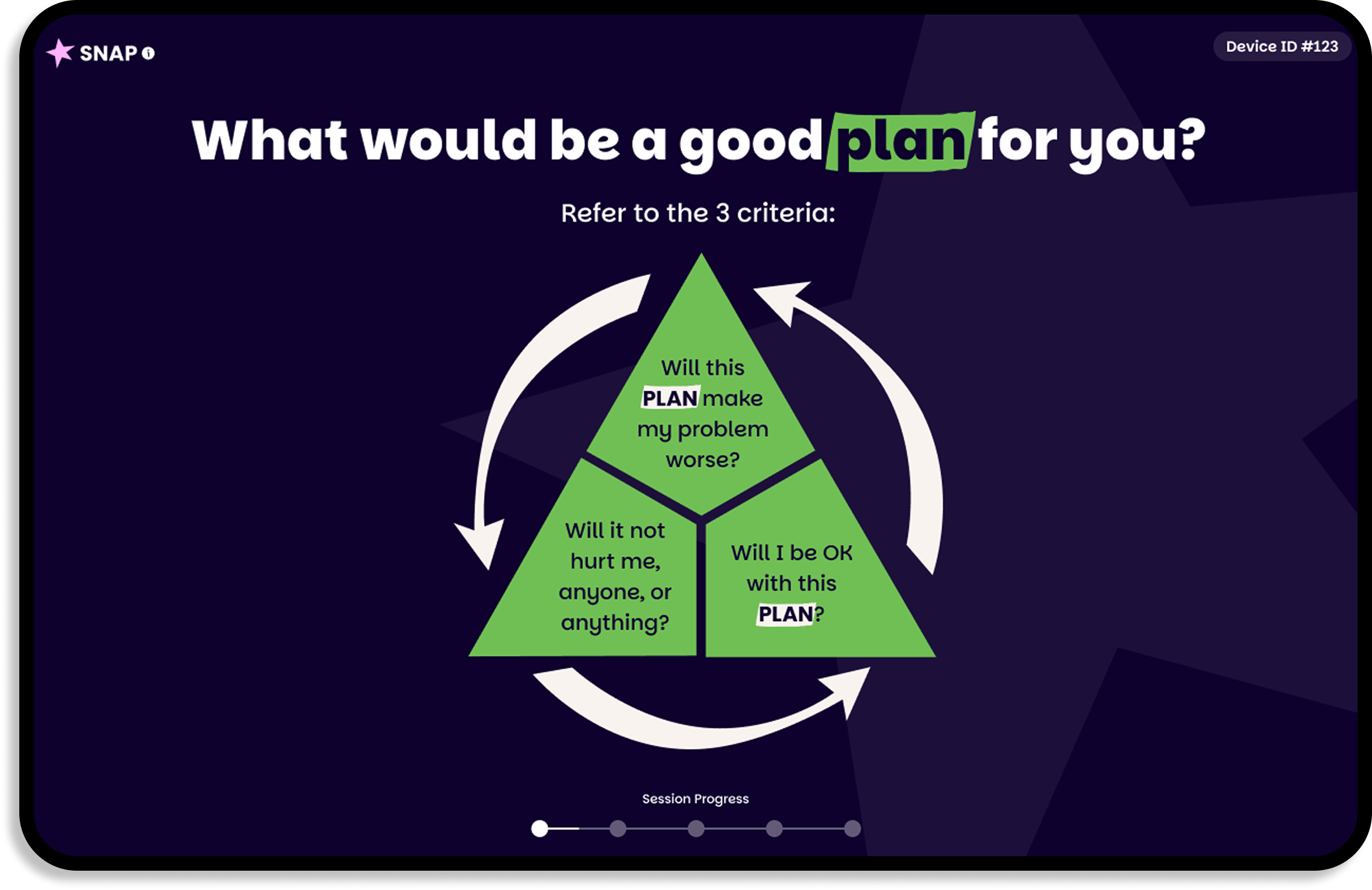
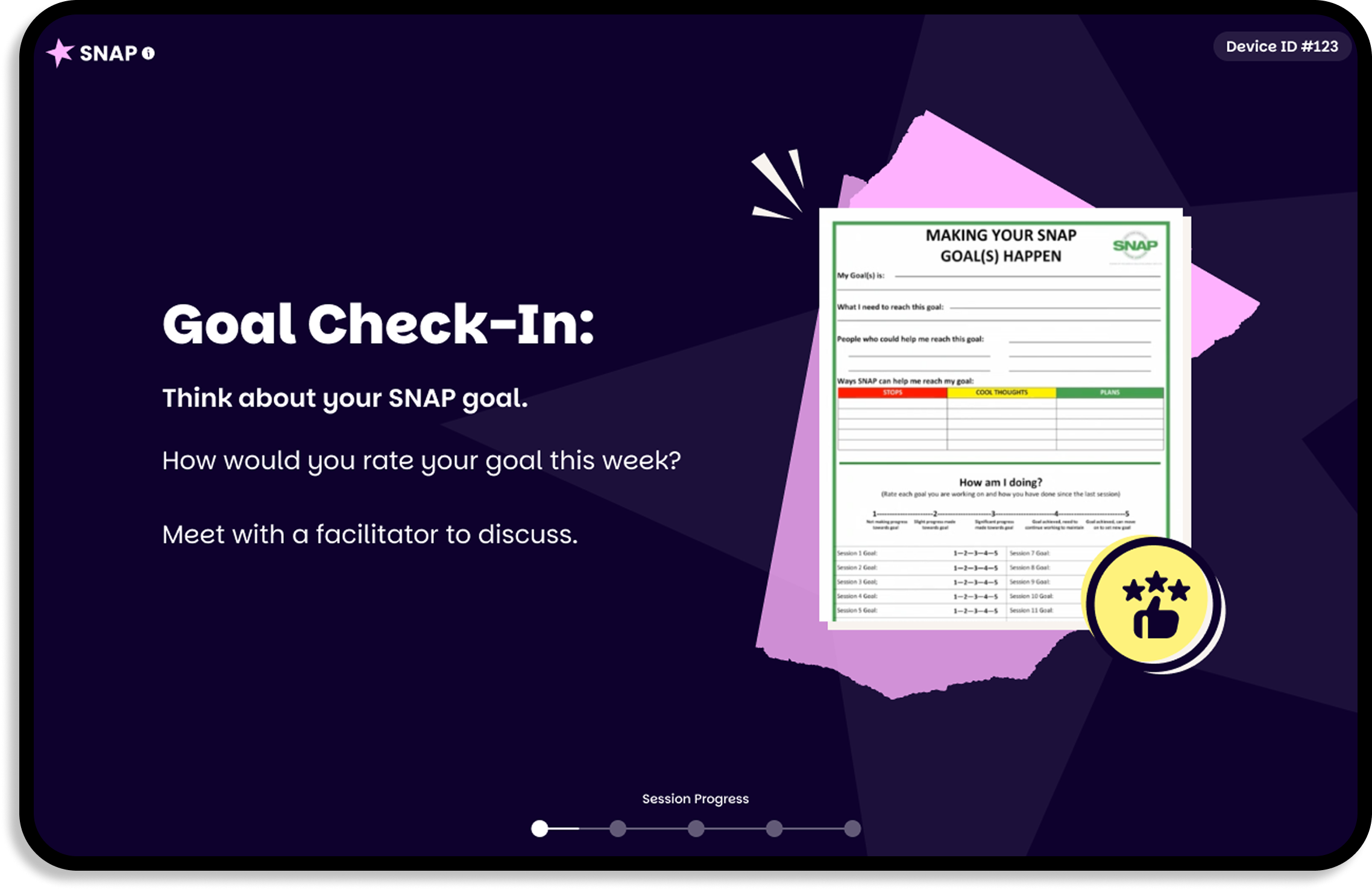
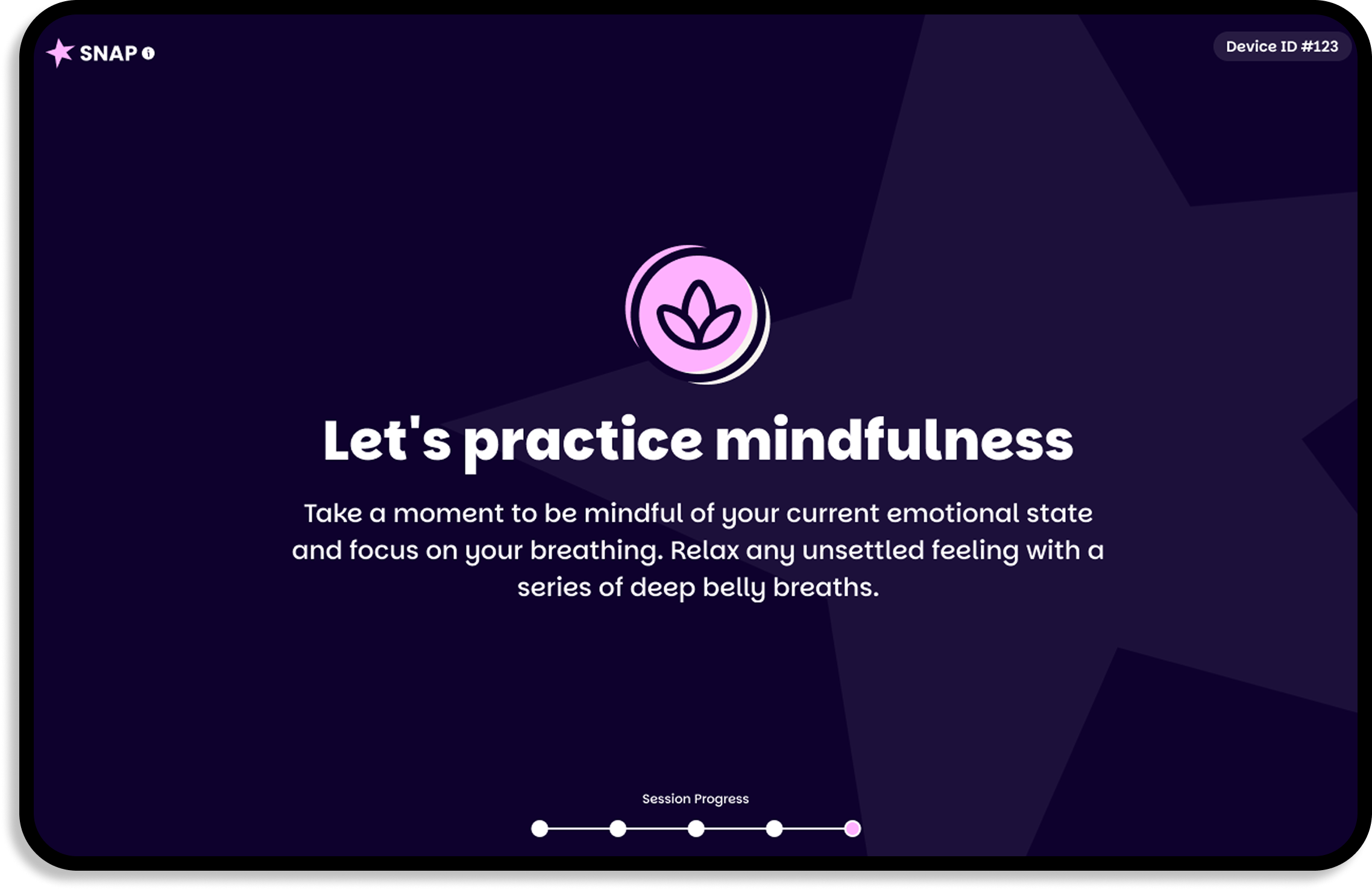
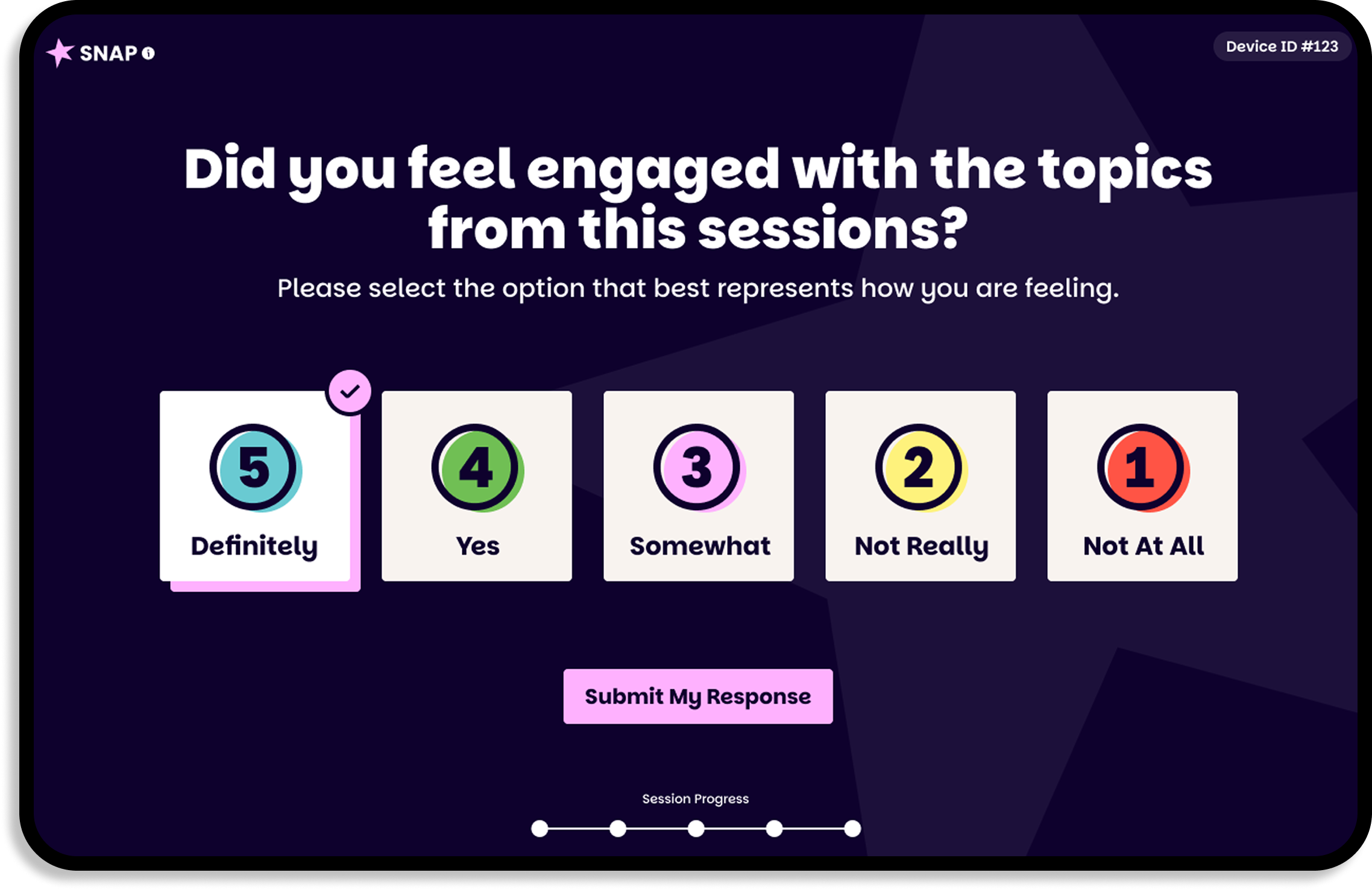
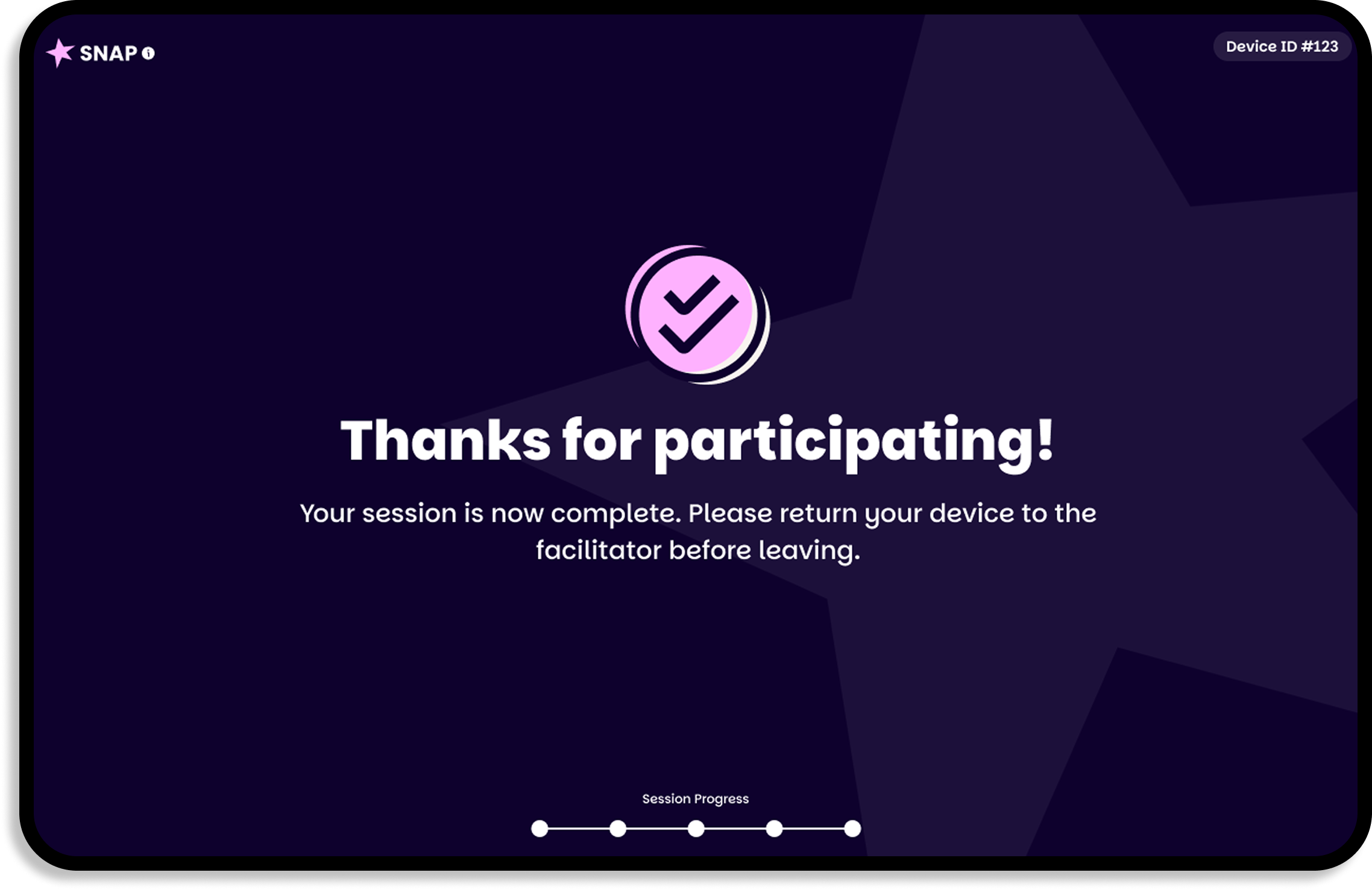
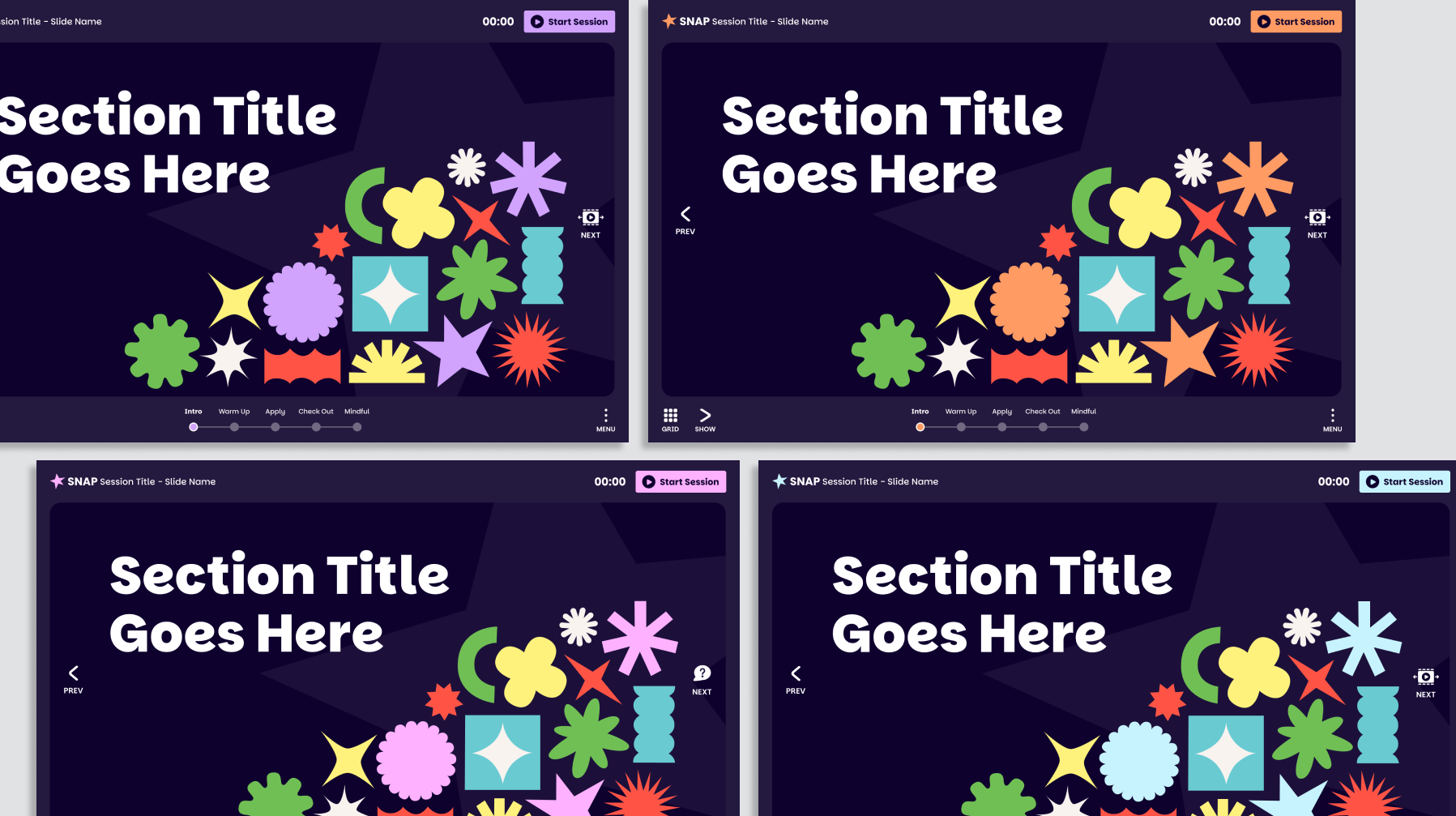
The UX/UI design process began with collaborative discovery workshops involving CDI stakeholders, facilitators, and technical teams to better understand existing workflows, user pain points, operational requirements, and the emotional needs of youth participants within justice and community-based environments. Insights gathered during these sessions informed the development of user journeys, information architecture, and interaction strategies focused on accessibility, engagement, and ease of use. From there, wireframes and session flow prototypes were created for both facilitator and youth experiences, allowing the system to be designed from multiple perspectives. The facilitator interface prioritized efficient session management, navigation clarity, and secure participant oversight, while the youth-facing experience focused on intuitive interactions, multimedia engagement, and minimizing distractions through simplified, trauma-informed design patterns. Iterative feedback helped refine the platform into a cohesive, user-centred digital experience aligned with CDI’s operational and program goals.
THE CONCLUSION
The redesigned SNAP YJ platform successfully transformed a complex and technically demanding system into a streamlined, user-centered digital experience that better supports both facilitators and youth participants. Through thoughtful UX/UI strategy, collaborative stakeholder engagement, and accessible interface design, the project delivered an intuitive hybrid platform that improved session flow, enhanced participant engagement, and simplified program delivery across a variety of service environments. The introduction of culturally responsive modules, scalable interaction patterns, and secure cloud-integrated workflows positioned the platform for long-term growth while supporting CDI’s mission of delivering impactful, evidence-based programming to diverse youth communities.